She stood in a packed room and felt completely alone
September 17, 2026
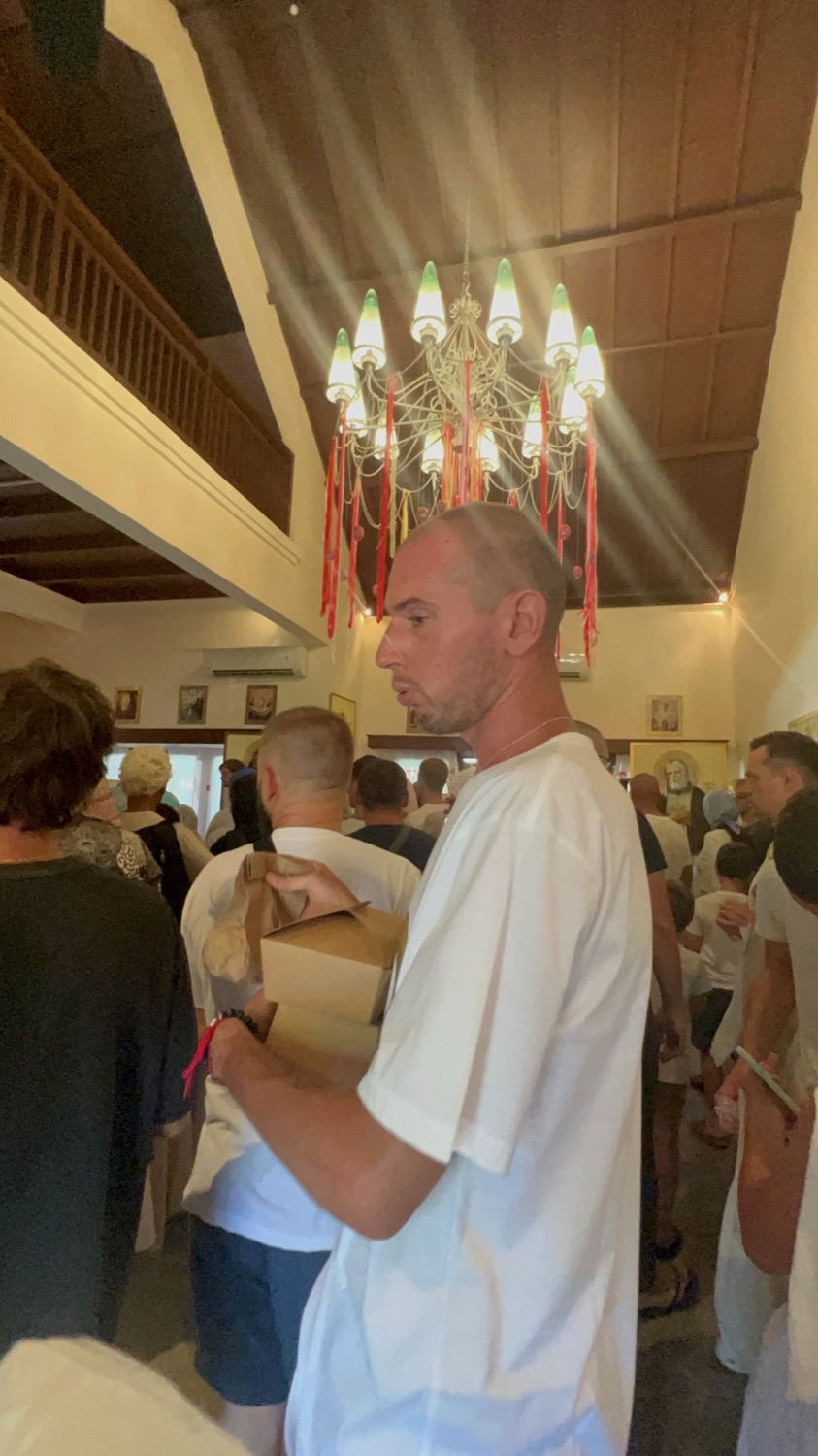
She stood in a packed room and felt completely alone
Let me tell you about someone I know — details changed, but the core is real, because I've heard a variation of this story an enormous number of times from very different people. She came to a big family celebration: a packed room, dozens of familiar and family faces, hugs from every direction, music, conversation, laughter. On paper — a perfect evening, full of people who love her. And the whole evening she felt lonely — more, honestly, than she does sitting home alone with a book.
She couldn't figure out for a long time what exactly was wrong. There were people around, after all, plenty of them, people she'd known since childhood. But gradually she put it precisely: in that crowd, she was visible to everyone and seen by no one. People greeted her, smiled at her, asked the obligatory "how are you" — and immediately switched to the next person without waiting for a real answer. Conversations stayed strictly on the surface: weather, work, who looked how. No one stayed with her long enough to notice that behind the polite smile she was answering almost on autopilot, thinking about something completely different.
I think this is one of the most underrated states people are embarrassed to talk about out loud, because it sounds illogical: how can you be lonely in a room full of people? But loneliness is almost never really about how many people are around you. It's about the depth of connection with even one of them. You can stand in the middle of a hundred people and not feel a single real gaze land on you rather than pass through you. And you can spend ten minutes alone with one person who's genuinely listening — and feel truly present for the first time in a month.
I've seen this pattern in a lot of people I've talked to over the years. It often gets sharper exactly in places with the most people — big celebrations, weddings, corporate events, family gatherings. Logic suggests: the more people around, the less loneliness there should be. But experience often says the opposite — the number of contacts and the depth of contact are completely unrelated, and sometimes even inversely related: the more surface-level conversations in an evening, the sharper the feeling by the end that none of them actually reached you.
One case stuck with me especially: someone told me how, after countless noisy gatherings, they started deliberately leaving every event a bit earlier than everyone else, to find at least one person for an honest fifteen-minute one-on-one conversation — and noticed that it was exactly those fifteen minutes, not the rest of the evening, that actually met the need for connection. The rest of the time was just background, polite noise.
If you recognize this feeling in yourself — being visible to everyone and seen by no one in a packed room — maybe the issue isn't that there aren't enough people around, and it isn't that something's wrong with you. The issue is that the depth of one real conversation is almost never replaced by the quantity of shallow ones.
About the author · Copyright · Privacy Policy · Contact: @Reborn_Lab
© 2026 Nikolai Chechelnitskiy (Nikola Blajen). All card artwork and texts are copyrighted.